
| Why Memory Worsens as You Age, and Things You Can Do About It Hallie Levine - LiveStrong | |
| go to original April 5, 2023 |
 |
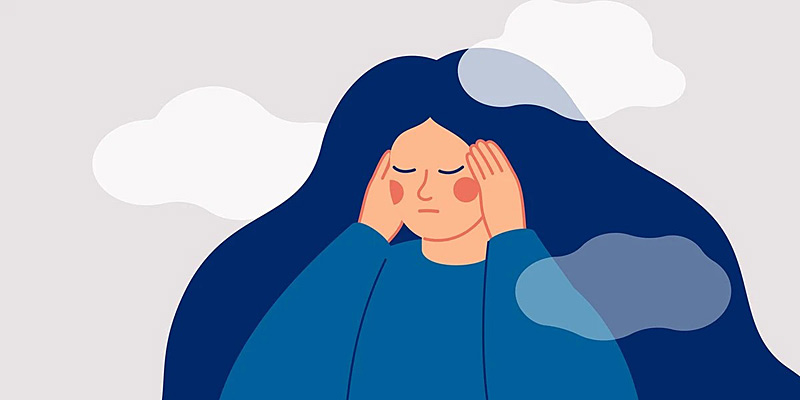
Ever been at a party and can't remember the name of the person you're talking to? Or find yourself tearing apart your house trying to find your keys? Your first thought may be, "What the heck is wrong with me?" and you might even jump to, "Could I be developing early Alzheimer's?"
The good news is these sorts of memory glitches can happen at any age, reassures Gary Small, MD, Chair of Psychiatry at Hackensack University Medical Center in New Jersey and author of The Memory Bible.
In fact, they may seem slightly worse now as an after-effect of the months of isolation during the COVID-19 pandemic, Dr. Small says. (This should resolve as we return to regular activities and life settles back to normal, though.)
But it's also true that subtle changes in memory can occur as early as your 20s. Here's a look at how memory declines with age, plus what you can do about it.
3 Causes of Age-Related Memory Loss
1. The Volume of Your Brain Shrinks
It's a dirty little secret that your memory naturally declines about 2 percent with each decade of life, which means your memory's worse at 30 than at 20 (sorry!).
But there's a bona fide scientific explanation: "It's due to the shrinking of your hippocampus, the part of your brain that stores memories,' explains neurologist Majid Fotuhi, MD, PhD, medical director of NeuroGrow Brain Fitness Center in McLean, Virginia.
2. Other Health Conditions Affect Memory
High blood pressure, especially in middle age, is associated with a higher risk of dementia later in life, according the American Heart Association. Untreated hypertension narrows and blocks arteries everywhere, including in your brain, Dr. Fotuhi explains.
Elevated cholesterol is also toxic to your brain: It triggers the formation of amyloid-beta protein, a key player in the development of Alzheimer's disease, according to May 2018 study in Nature Chemistry.
Other conditions, such as untreated sleep apnea or depression, can also hurt your brain, Dr. Fotuhi notes.
And if you're having trouble hearing, get it checked: September 2019 research in The Hearing Journal shows a link between hearing loss and dementia. (It's not yet clear if one causes the other, but it can't hurt to see a doctor for hearing problems.)
3. Your Hormones Change
You may notice you're especially forgetful when you're pregnant, or in your 40s or 50s as you go through menopause. This is due to the temporary dip in estrogen, Dr. Small says. Once your hormones regulate, though, your memory should return to normal.
Surprise! Some Parts of Your Brain Actually Function Better With Age
While short-term memory starts to drop around age 35, crystalized intelligence, or the accumulation of facts and knowledge, peaks in the late 60s or early 70s, according to an April 2015 Harvard study in Psychological Science.
Read the rest at LiveStrong.com
Related: Is It Aging or Alzheimer's? (WebMD)
Related: Best Apps to Help Keep Your Brain Sharp (LiveStrong.com)
We invite you to add your charity or supporting organizations' news stories and coming events to PVAngels so we can share them with the world. Do it now!
 Banderas Bay offers 34 miles of incomparable coastline in the states of Jalisco and Nayarit, and home to Puerto Vallarta and Riviera Nayarit's many great destinations.