
| A Memory Researcher Explains How to Make Precious Moments Last David Marchese - The New York Times | |
| go to original February 18, 2024 |
 |
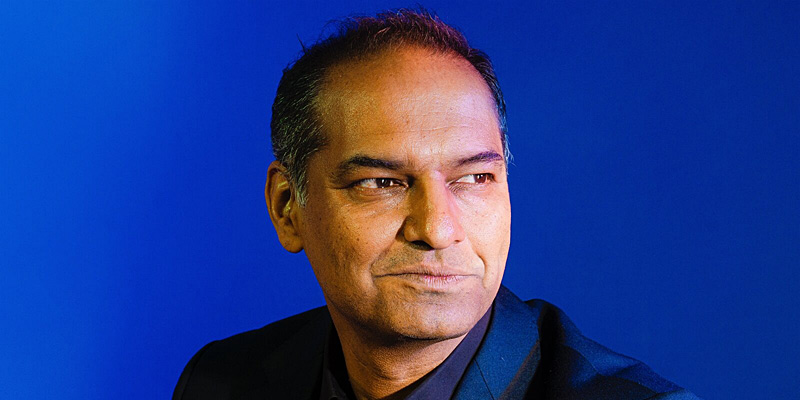

Charan Ranganath, professor of psychology and neuroscience at the University of California, Davis (Mamadi Doumbouya/NYT)
Our memories form the bedrock of who we are. Those recollections, in turn, are built on one very simple assumption: This happened. But things are not quite so simple. “We update our memories through the act of remembering,” says Charan Ranganath, a professor of psychology and neuroscience at the University of California, Davis, and the author of the illuminating new book “Why We Remember.” “So it creates all these weird biases and infiltrates our decision making. It affects our sense of who we are.” Rather than being photo-accurate repositories of past experience, Ranganath argues, our memories function more like active interpreters, working to help us navigate the present and future. The implication is that who we are, and the memories we draw on to determine that, are far less fixed than you might think. “Our identities,” Ranganath says, “are built on shifting sand.”
What is the most common misconception about memory? People believe that memory should be effortless, but their expectations for how much they should remember are totally out of whack with how much they’re capable of remembering. Another misconception is that memory is supposed to be an archive of the past. We expect that we should be able to replay the past like a movie in our heads. The problem with that assumption is that we don’t replay the past as it happened; we do it through a lens of interpretation and imagination.
How much are we capable of remembering, from both an episodic and a semantic standpoint? It’s exceptionally hard to answer the question of how much we can remember. What I’ll say is that we can remember an extraordinary amount of detail that would make you feel at times as if you have a photographic memory. We’re capable of these extraordinary feats. I would argue that we’re all everyday-memory experts, because we have this exceptional semantic memory, which is the scaffold for episodic memory. I know it sounds squirmy to say, “Well, I can’t answer the question of how much we remember,” but I don’t want readers to walk away thinking memory is all made up.
But if memories are malleable, what are the implications for how we understand our “true” selves? At the risk of being pretentious, I’ll get philosophical for a second.
You’re not being pretentious. OK, good, because I always have this critical peer reviewer in the back of my head saying, “Don’t say that!” But your question gets to a major purpose of memory, which is to give us an illusion of stability in a world that is always changing. Because if we look for memories, we’ll reshape them into our beliefs of what’s happening right now. We’ll be biased in terms of how we sample the past. We have these illusions of stability, but we are always changing. And depending on what memories we draw upon, those life narratives can change.
Read the rest at The New York Times
We invite you to add your charity or supporting organizations' news stories and coming events to PVAngels so we can share them with the world. Do it now!
 Banderas Bay offers 34 miles of incomparable coastline in the states of Jalisco and Nayarit, and home to Puerto Vallarta and Riviera Nayarit's many great destinations.