
| What We’re Learning About How Funders Can Support Truth-Telling on the Border Favianna Rodriguez, Lane Harwell and Anita Khashu - Inside Philanthropy | |
| go to original March 2, 2024 |
 |
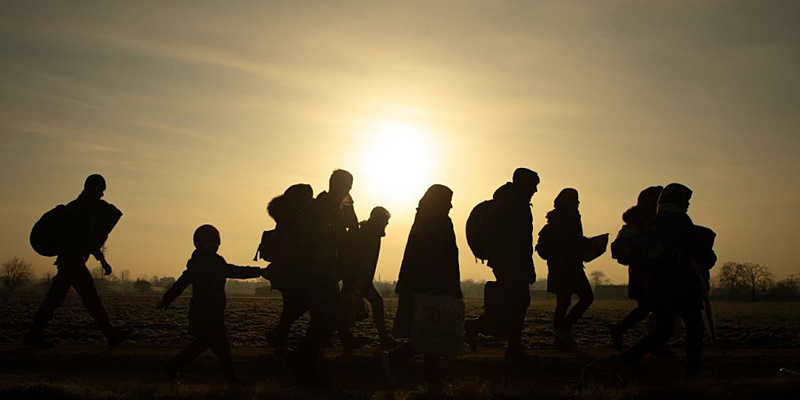

It’s imperative for people to know how incredibly beautiful and resilient borderland ecology and communities are. (Lumiereist/Shutterstock)
In the United States, the southern border with Mexico is a place etched into imagination and identity, but usually not in a healthy way. It’s a polarizing lightning rod for larger debates about migration, safety and the economy. Political commentators and popular media flatten the border and reduce it to a site of chaos, criminal activity and victimhood. These entrenched cultural narratives by outsiders perpetuate a vision of the border as a place of smuggling, drug cartels and death. They stoke fear and pity and erase the fullness, humanity and beauty of the diverse communities living at the border.
What’s missing from the media coverage are the authentic voices and stories of people who call the borderlands home; their hopes, dreams and aspirations; their love for their communities and the land; and their vision for the future and the solutions they know will work. The border is about so much more than immigration.
It’s time for truth-telling about the border. It’s time for funders to invest more deeply in culture, artists and storytellers to reclaim the border narratives and fund community-driven solutions.
At the Center for Cultural Power and the Ford Foundation, we approach challenges by listening first. Our role is to invest in communities so they can drive their own solutions, strategy and community-building. We’re investing in border-based organizers, artists and storytellers to explore what’s needed to disrupt negative stereotypes and point us to a future where the border region and its people thrive.
Here’s what we’ve learned philanthropy can do to help reclaim the stories being told about the U.S.-Mexico border.
Fund a full spectrum of changemakers and organizations to tell their own stories.
The stories we tell about the border matter — and who tells them matters the most.
We believe that communities living at the border should have agency and autonomy over the stories being told about their lives. To enable this change, leaders in philanthropy should provide unrestricted funding to a diverse range of artists, storytellers and the organizations that support them in our border communities to counteract the one-sided perspective of chaos and crisis.
Artistry and storytelling are underutilized and powerful tools for border organizers, including front-line immigrant rights groups. They are needed to break through prevailing border stories in the media and attract different audiences that are not necessarily reading about the border and immigration every day. Funders should provide community organizers and activists in the region with resources for cultural strategy staffing, training and making connections to artists and cultural strategists. Working in concert, these actors can shift mindsets to heal, challenge the status quo, and reshape border culture and policy.
Read the rest at Inside Philanthropy
Related: Asylum-Seekers Risk Lives to Cross Rio Grande Into US (Reuters)
Related: Poll Shows 53% of Americans Now Support Building Wall on Mexico Border - 84% See Illegal Immigration as Serious Issue (Daily Mail)
We invite you to add your charity or supporting organizations' news stories and coming events to PVAngels so we can share them with the world. Do it now!
Celebrate a Healthy Lifestyle
 From activities like hiking, swimming, bike riding and yoga, to restaurants offering healthy menus, Vallarta-Nayarit is the ideal place to continue - or start - your healthy lifestyle routine.
 Banderas Bay offers 34 miles of incomparable coastline in the states of Jalisco and Nayarit, and home to Puerto Vallarta and Riviera Nayarit's many great destinations.