
| Diabetic Eye Disease Rate Is Rising Rapidly in Mexico COMTEX | |
| go to original April 12, 2012 |
 |
 |
SAN FRANCISCO, CA - New research into the causes of preventable blindness in Chiapas, Mexico found a surprisingly high rate of diabetic retinopathy in people with diabetes aged 50 and older. Since Mexico has the 10th highest rate of diabetes in the world, health officials were aware that diabetic retinopathy could be a problem, but they had little reliable data on how widespread it might be. With the Chiapas results in hand, officials are considering nationwide vision screenings and re-setting vision care priorities.
The Chiapas study, led by Sarah Polack, PhD, of the London School of Hygiene and Tropical Medicine, was the first ever to add a diabetic retinopathy screening to a cost-effective exam system called the Rapid Assessment of Avoidable Blindness (RAAB). The study is published online in Ophthalmology, the journal of the American Academy of Ophthalmology.
Twenty-one percent of the nearly 3,000 people screened in the Chiapas study had diabetes. Almost 39 percent of this group had diabetic retinopathy, and in 21 percent the disease had reached the sight-threatening stage. Fewer than half of those with diabetes were aware that regular eye exams and treatment could help them avoid vision loss. Findings from this study are similar to U.S. data garnered from the 2010 Los Angeles Latino Eye Study where approximately one-third of Hispanics with diabetes were found to have diabetic retinopathy.
If urban populations are screened in the future, Mexico's diabetic retinopathy rate is likely to be even more alarming. Earlier studies found higher rates of diabetes and diabetic retinopathy in urban areas like Mexico City than in rural areas like Chiapas. This may be due to differences in diet and activity levels between city dwellers and their rural counterparts.
"If services were available to diagnose and treat diabetic retinopathy along with cataract and other causes of blindness, we estimate that about 82 percent of blindness, 92 percent of severe vision loss and 81 percent of any vision loss could be prevented in Mexico," said Dr. Polack. "Right now, people with diabetic retinopathy in Chiapas must travel to neighboring districts for treatment. Our study results emphasize the need to expand services in these underserved areas."
One goal of the study was to assess whether the new, combined exam could and should be conducted throughout Mexico. Though the research team found that adding a test for diabetic retinopathy to the RAAB screening provided reliable results, they advised that the combined screening should only be performed in areas where diabetes is most prevalent, because of the extra time, personnel and cost involved.
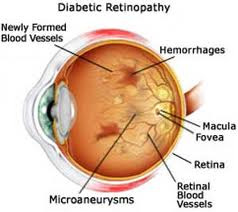
Diabetic retinopathy, the most common diabetic eye disease, occurs when blood vessels in the retina, the light-sensitive area at the back of the eye, become abnormal. Sometimes these vessels swell and leak fluid or even close off completely. Abnormal new blood vessels may grow on the surface of the retina. When diabetes is not well-controlled and/or when diabetic retinopathy is left untreated, these changes lead to vision loss and blindness.
The American Academy of Ophthalmology is the world's largest association of eye physicians and surgeons - Eye M.D.s - with 32,000 members worldwide. For more information visit: www.aao.org. The Academy's OjosSanos(TM) public education program works to educate the public about the importance of eye health and to empower them to preserve their healthy vision. Visit www.ojossanos.org to learn more.
We invite you to add your charity or supporting organizations' news stories and coming events to PVAngels so we can share them with the world. Do it now!
Celebrate a Healthy Lifestyle
 From activities like hiking, swimming, bike riding and yoga, to restaurants offering healthy menus, Vallarta-Nayarit is the ideal place to continue - or start - your healthy lifestyle routine.
 Banderas Bay offers 34 miles of incomparable coastline in the states of Jalisco and Nayarit, and home to Puerto Vallarta and Riviera Nayarit's many great destinations.